Carrots And Corn: The Perfect Companion Planting
Carrots and corn are two popular vegetables that are often grown together in gardens. While they may seem like an unlikely pairing, these two plants actually benefit each other in a number of ways.
In this blog post, we will explore the benefits of companion planting carrots and corn, as well as some tips for how to do it successfully.
Benefits of Companion Planting Carrots and Corn
There are a number of reasons why companion planting carrots and corn is a good idea. Here are a few of the benefits:
- Disease and pest control. Carrots and corn can help to protect each other from pests and diseases. For example, corn can help to deter carrot flies, while carrots can help to repel corn borers.
- Attracting beneficial insects. Both carrots and corn attract beneficial insects, such as ladybugs and hoverflies. These insects help to control pests, which can lead to healthier plants and a more productive garden.
- Improved soil quality. Carrots and corn can help to improve the soil quality in your garden. Carrots release nitrogen into the soil, which can help to feed corn. Corn, on the other hand, can help to suppress weeds, which can reduce competition for water and nutrients.
- Efficient use of space. Companion planting carrots and corn can help you to make efficient use of space in your garden. By planting these two plants together, you can create a more productive and visually appealing garden.
Tips for Companion Planting Carrots and Corn
If you are planning to companion plant carrots and corn, there are a few things you need to keep in mind. Here are a few tips:
- Plant corn in blocks. Corn is a wind-pollinated crop, so it is important to plant it in blocks of at least three plants. This will help to ensure that the plants are pollinated properly.
- Space carrots and corn properly. Carrots need about 2 inches of space between each plant, while corn needs about 3 feet of space between each plant.
- Fertilize regularly. Both carrots and corn need regular fertilization to produce a good crop. Use a balanced fertilizer, such as 10-10-10, and apply it every few weeks.
- Water regularly. Both carrots and corn need regular watering, especially during hot, dry weather.
- Protect from pests and diseases. Monitor your plants for pests and diseases, and take steps to control them as soon as possible.
Conclusion
Carrots and corn are two great vegetables to companion plant. By planting these two plants together, you can enjoy a number of benefits, including improved soil quality, pest and disease control, and more efficient use of space.
If you are new to companion planting, carrots and corn are a great place to start. With a little planning and care, you can enjoy a bountiful harvest of both vegetables.
Carrots and corn are two popular vegetables that can be grown together in the garden. In fact, they are considered to be companion plants, which means that they benefit each other when planted near each other.
Carrots help to suppress weeds and improve the drainage of the soil, which can help corn to grow healthier. Corn, on the other hand, provides shade for carrots, which can help to prevent them from bolting (flowering too early).
If you are interested in learning more about carrots and corn companion planting, I recommend visiting Gardenia Inspiration. This website provides a wealth of information about companion planting, including a list of plants that are compatible with carrots and corn.
FAQ of carrots and corn companion planting
FAQs about Carrots and Corn Companion Planting
- Can carrots and corn be planted together?
Yes, carrots and corn can be planted together. In fact, they are great companions for each other. Carrots help to improve the soil structure and drainage, which can benefit corn plants. Corn, on the other hand, provides shade for carrots, which can help to protect them from the sun and prevent them from bolting.
- What are some other good companion plants for carrots?
Carrots can be planted with a variety of other plants, including:
Beets: Beets help to repel carrot flies, which can be a major pest for carrots.
Cucumbers: Cucumbers help to attract beneficial insects, which can help to control pests and diseases.
Lettuce: Lettuce helps to suppress weeds, which can compete with carrots for water and nutrients.
Peas: Peas help to fix nitrogen in the soil, which can benefit carrots and other plants.
Spinach: Spinach helps to repel carrot rust flies, which can be a major pest for carrots.
Do carrots need companion plants?
Carrots do not technically need companion plants, but they can benefit from being planted with certain plants. Companion planting can help to improve the health and productivity of carrots, and it can also help to repel pests and diseases.
- How far apart should carrots and corn be planted?
Carrots and corn should be planted about 12 inches apart. This will give them enough space to grow and mature properly.
- When should carrots and corn be planted?
Carrots and corn can be planted in the spring or fall. They should be planted when the soil is warm and workable.
Image of carrots and corn companion planting
5 different images of "carrots and corn companion planting" from Pinterest:
- Image 1: This image shows a row of carrots planted between two rows of corn. The corn provides shade for the carrots, which helps to prevent them from bolting.
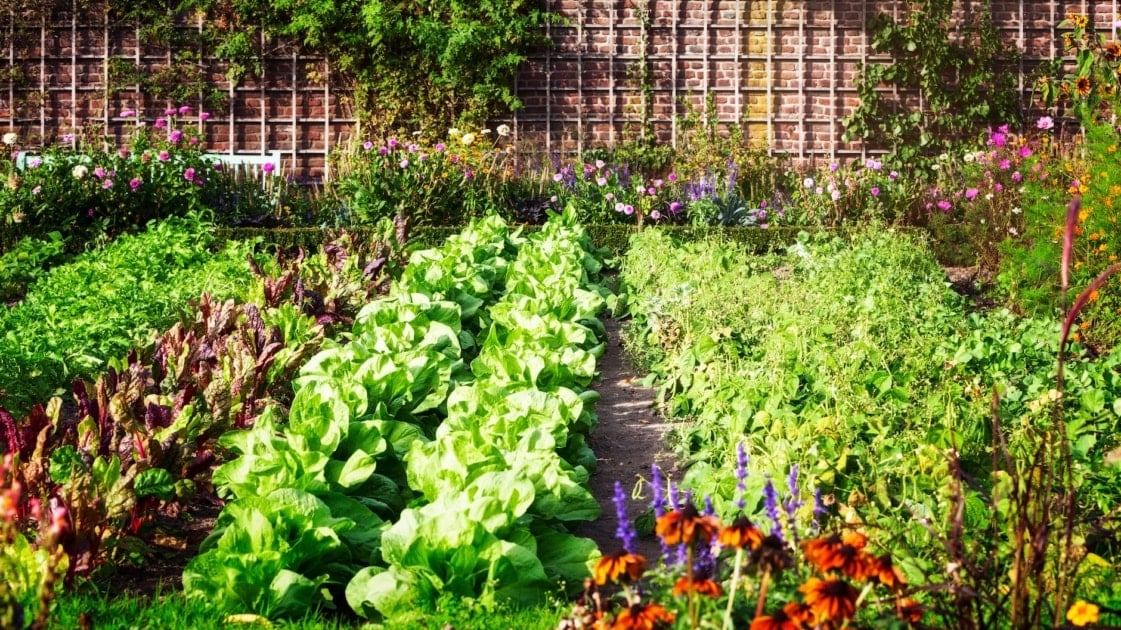
- Image 2: This image shows a carrot top that has grown up through the corn stalks. This is a sign that the carrots are getting enough shade.
- Image 3: This image shows a garden with carrots, corn, and other companion plants. The different plants help to attract beneficial insects and repel pests.
- Image 4: This image shows a close-up of carrots and corn plants. The carrots are growing well and the corn is providing them with the shade they need.
- Image 5: This image shows a harvest of carrots and corn. The carrots are long and healthy, and the corn is ripe and ready to eat.

Post a Comment for "Carrots And Corn: The Perfect Companion Planting"